Travel tips
Melbourne Pollen Season: Why It Happens and How to Prepare
Learn why pollen triggers hay fever in Melbourne, what to do when symptoms start, and how food, pharmacy treatments and simple precautions may help.
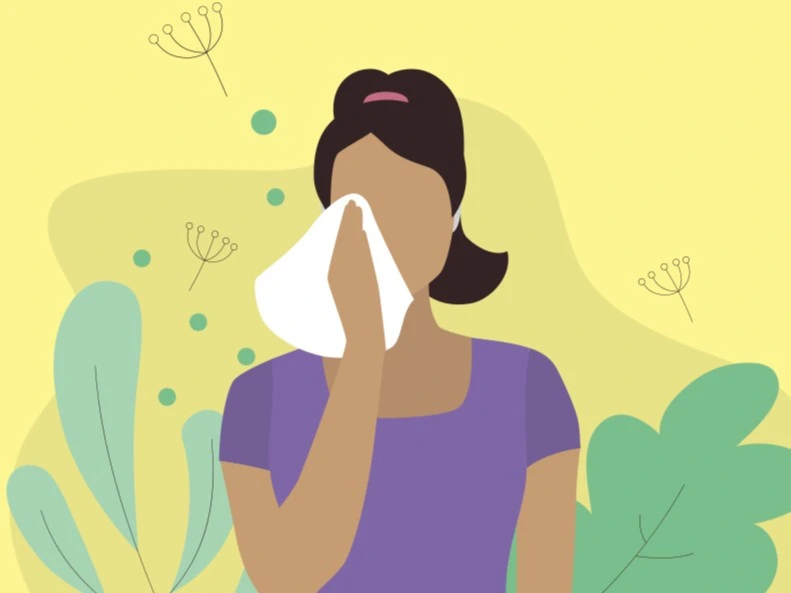
Why is there a pollen season in Melbourne?
Pollen is released by flowering trees, grasses and weeds. When it becomes airborne, people who are sensitive to particular pollens may develop hay fever, also called allergic rhinitis. Common symptoms include sneezing, a runny or blocked nose, and itchy or watery eyes. Pollen can also trigger asthma symptoms in some people.
Melbourne’s grass pollen season is typically in spring, often from October to December, but the exact timing and pollen levels vary from year to year. Other plants may release pollen at different times, so symptoms do not always follow the same calendar.
Why thunderstorms can matter
A rare combination of high grass pollen and certain thunderstorm conditions can lead to thunderstorm asthma. Pollen grains can break into smaller particles that are carried by storm winds and may trigger breathing problems. People with asthma, hay fever or undiagnosed asthma symptoms should take this risk seriously, especially during spring grass-pollen season.
What can you do when symptoms start?
Reduce pollen exposure
- Check local pollen information and weather or thunderstorm warnings before planning outdoor activities.
- On high-pollen days, limit time outside where practical. If a thunderstorm is approaching during grass-pollen season, go indoors and close windows and doors.
- Keep windows closed at home and in the car when pollen is high. If using air conditioning, use a recirculation setting if available.
- Sunglasses may help shield your eyes outdoors. After spending time outside, changing clothes and washing your face or hair may help remove pollen.
- If you have asthma, follow your written Asthma Action Plan and keep your prescribed reliever medication with you.
What medicines or sprays may help?
A pharmacist or doctor can help you choose a treatment based on your symptoms, health conditions and other medicines. Options may include:
- Antihistamines for symptoms such as sneezing, itching and a runny nose. Some can cause drowsiness, so check the label and ask a pharmacist if unsure.
- Corticosteroid nasal sprays to reduce nasal inflammation and congestion. Ask a pharmacist or doctor how to use them correctly; they may work best when used regularly as directed.
- Saline nasal spray or rinse to help clear mucus and irritants. Follow product instructions, especially for rinse water and equipment hygiene.
Decongestant tablets or sprays are not suitable for everyone and may cause side effects. Ask a pharmacist or doctor before using them, and follow the product directions. Do not start or change asthma medicines based on hay fever advice alone.
Is there anything specific to eat?
There is no particular food proven to prevent pollen allergy or stop hay fever. Eating a varied, balanced diet and drinking enough fluids can support general wellbeing, but food is not a substitute for reducing pollen exposure or using appropriate treatment. Allergic rhinitis is caused by exposure to environmental allergens such as pollen, rather than by a food allergy.
If you suspect that a particular food causes a separate reaction, discuss it with a health professional rather than removing foods from your diet without advice.
When to seek medical help
Speak with a doctor or pharmacist if symptoms keep returning, affect sleep or daily activities, or if you are unsure which treatment is suitable. If you have hay fever alongside wheezing, chest tightness, persistent coughing or shortness of breath, seek medical advice promptly, as these may be asthma symptoms.
Severe breathing difficulty is an emergency. Call 000 in Australia.
A simple Melbourne pollen-season checklist
- Check pollen and storm information before heading out.
- Reduce outdoor exposure when pollen is high, especially if you have asthma or hay fever.
- Ask a pharmacist or doctor about suitable tablets or nasal sprays and how to use them.
- Do not rely on food or supplements as a replacement for proven symptom management.
- If you have asthma, keep your action plan and prescribed medicines up to date.