Melbourne · Nature
Exploring Wilsons Promontory National Park
Victoria’s southernmost mainland national park brings together granite headlands, sheltered bays, walking tracks and native wildlife. Use Tidal River as a base, or plan a longer visit for more challenging hikes.
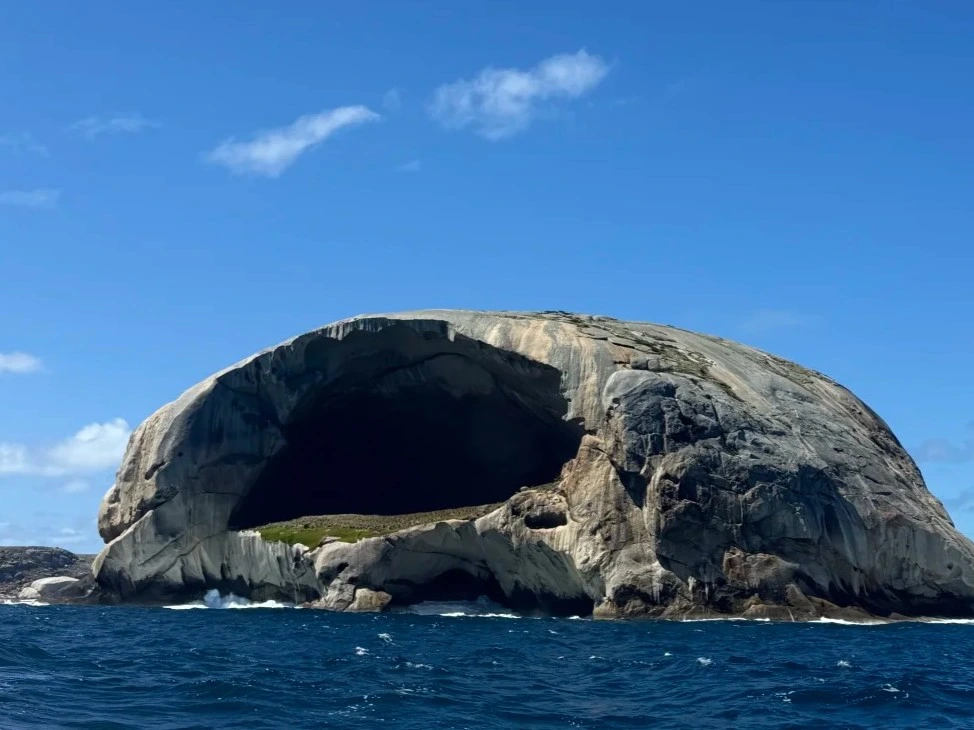
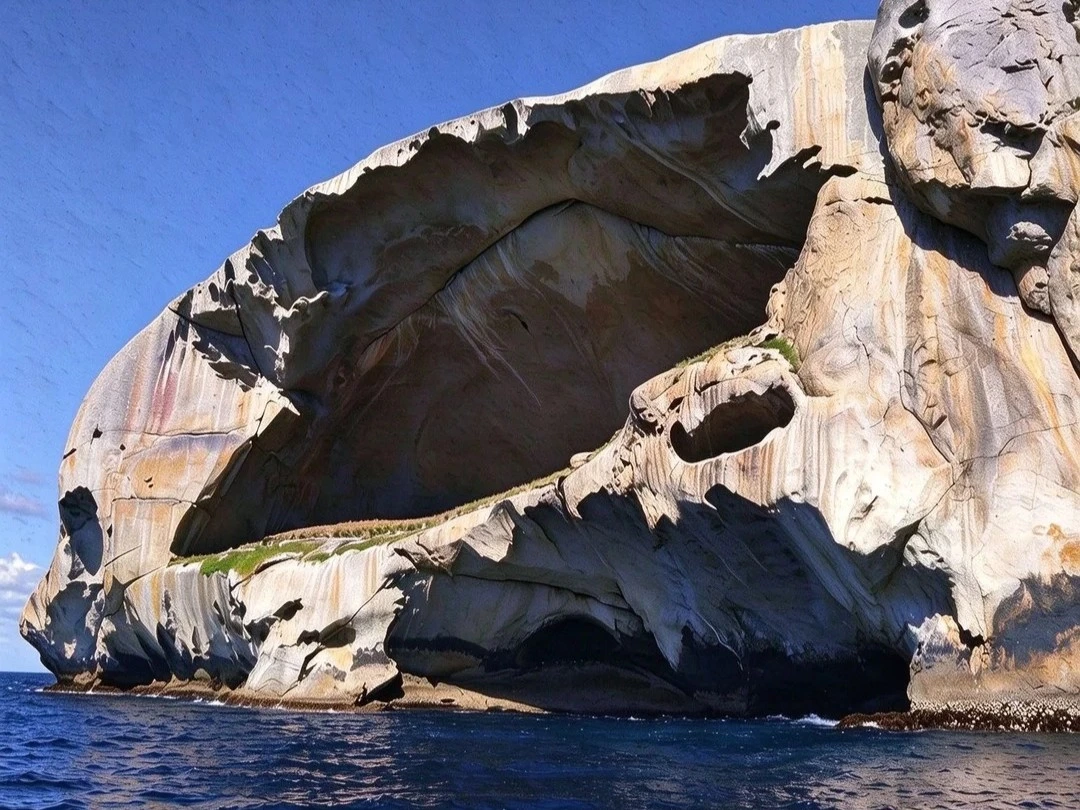
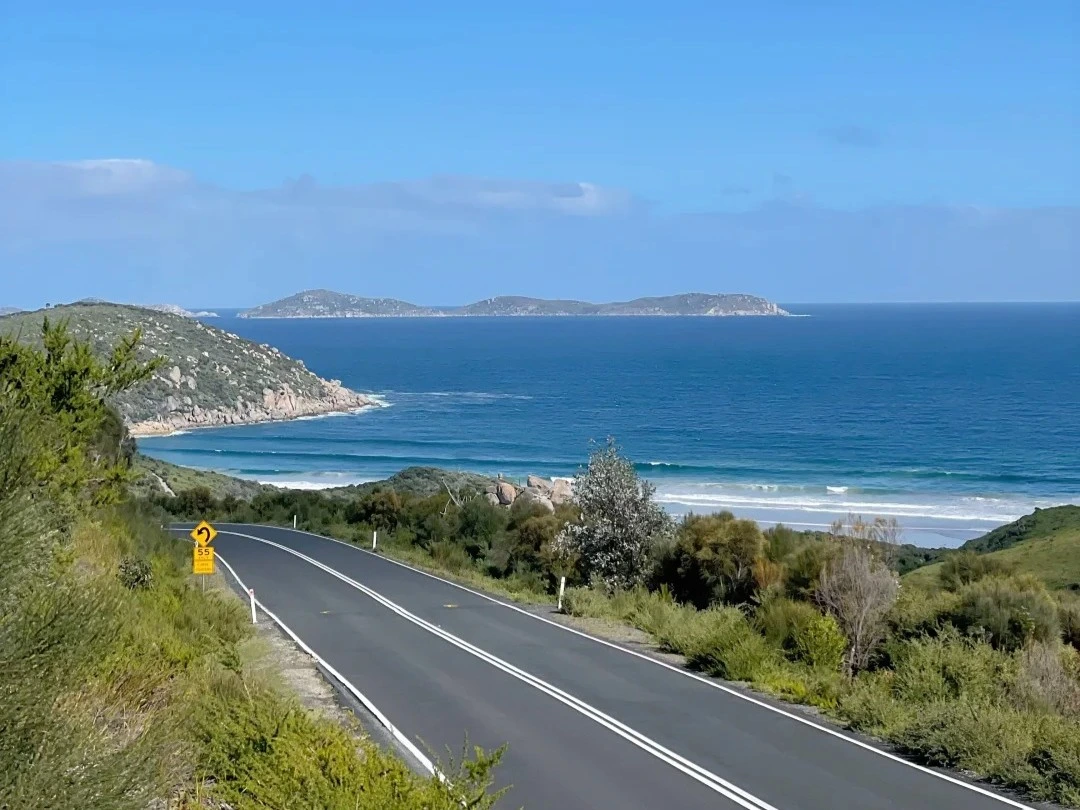
Wilsons Promontory National Park, often called “the Prom”, sits at the southernmost tip of mainland Australia. Around three hours’ drive from Melbourne, it is a substantial journey rather than a quick city-side outing. The park’s appeal lies in the contrast between granite formations, open beaches, coastal heath and forest, with walks ranging from short nature trails to demanding overnight routes.
For a first visit, it makes sense to focus on the Tidal River area and nearby coast. If you want to explore more than one beach or tackle a longer walk, an overnight stay can make the trip feel less rushed.
Start from Tidal River
Tidal River is the park’s main visitor hub, with camping and accommodation, a visitor centre and a general store. It is also a useful base for exploring nearby walks and beaches. At the visitor centre, you can find maps and information about park conditions and walking routes.
The area works well for visitors who want to combine a walk with time by the water without committing to a remote hike. Camping and other accommodation need planning; check current availability and booking details before travelling.
Choose a walk to suit your day
The park’s tracks cross coastal heath, eucalypt forest, rainforest and open headlands. For a gentler outing, the 5.2-kilometre Lilly Pilly Gully Nature Walk is described by Parks Victoria as a mostly flat return walk, taking about an hour and a half. For a more demanding day, the Mount Oberon Summit Walk is 6.8 kilometres return and takes about two hours; the climb ends at a rocky summit with broad coastal views.
If you prefer a route with a mix of sand and track, the walk linking Norman Beach, Tidal Overlook, Squeaky Beach, Picnic Bay and Whisky Bay covers about six kilometres one way. Choose a route that leaves enough daylight and energy for the return or onward journey, and check current track conditions before setting out.
Beaches and granite scenery
Squeaky Beach is known for its rounded quartz sand, which can squeak underfoot. You can reach it from the beach car park, Picnic Bay or Tidal River, and granite boulders add to the coastal scenery. Norman Beach is close to Tidal River, making it a simpler option if you would rather keep your day local.
Beach conditions vary, and a scenic shoreline is not automatically a safe swimming spot. Check local conditions and follow water-safety advice rather than assuming every beach is suitable for a swim.
Wildlife and a slower pace
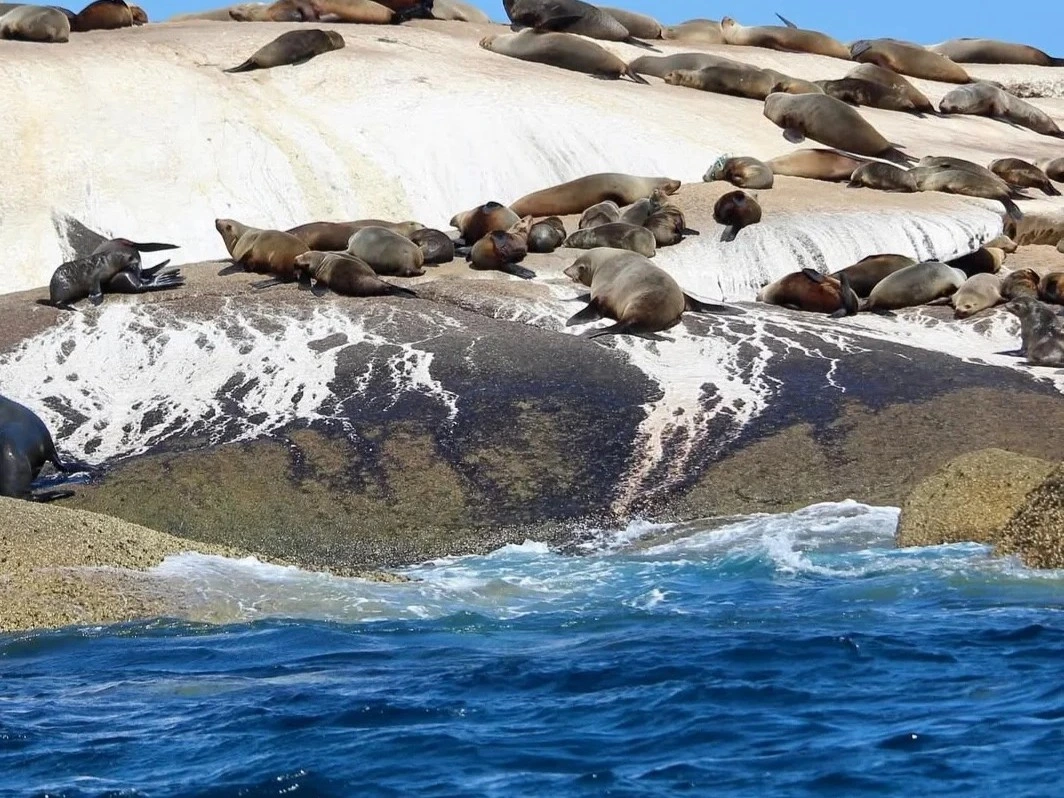
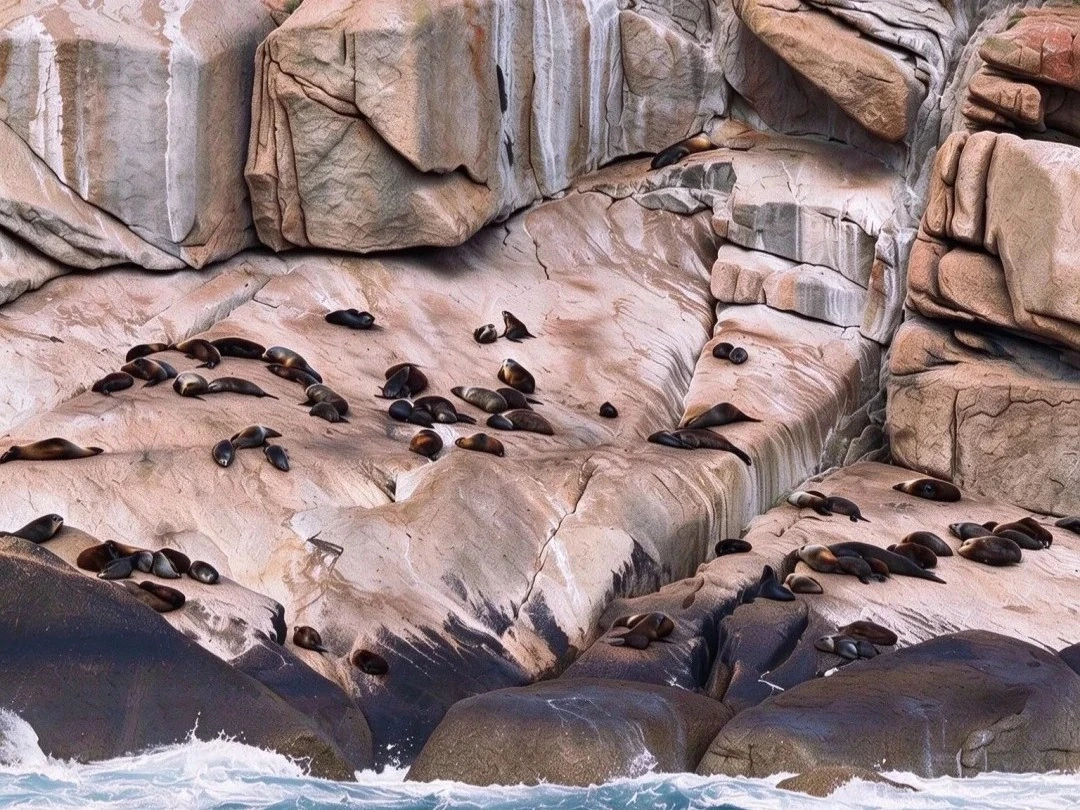
Kangaroos, wallabies, emus and wombats are among the native animals visitors may see in the park. The Prom Wildlife Walk is a short option around open grassland, while dawn and dusk are times to drive especially carefully because wildlife may be on or near the road. Give animals space and do not feed them.
If you have only one day, choose one main walk and one nearby beach rather than trying to cover the whole park. With more time, Tidal River makes a practical base for exploring at a gentler pace.
Tips for your visit
- Plan for the drive: The journey from Melbourne is about three hours, and Tidal River is still 30 kilometres beyond the park entrance. Avoid packing the day so tightly that you have to rush a walk or drive back tired.
- Pick one main walk: Match the route to your fitness and available daylight. The Mount Oberon summit can be cool, windy or clouded even in summer, so bring a warm layer.
- Check conditions before you go: Track closures and access arrangements can change. Recheck Parks Victoria updates close to your visit, especially if you have a particular walk in mind.
- Sort out fuel and supplies: There is no fuel at Tidal River; Yanakie is the nearest fuel outlet. Bring water and any essentials you will need for your chosen walk.
- Give wildlife space: Watch for animals near roads, particularly around dawn and dusk. Do not feed or approach them.
Gallery