Melbourne · City & culture
Melbourne Chinatown
Centred on Little Bourke Street in Melbourne’s CBD, Chinatown is a lively neighbourhood of historic streetscapes, Chinese and other Asian dining, arcades and laneways. It is also a place to learn about the history of Chinese Australians.
What is Melbourne Chinatown?
Melbourne Chinatown is a compact city-centre precinct focused on Little Bourke Street, with laneways and arcades connecting it to surrounding streets. Its central stretch lies between Swanston Street and Spring Street. Historic low-rise buildings sit alongside restaurants, shops and bars, making it easy to explore as part of a walk around the CBD.
The neighbourhood has roots in the 1850s gold-rush era, when Chinese migrants settled in Melbourne and Little Bourke Street became a community and commercial centre. Today, its streetscape and businesses reflect both that history and the changing life of the city.
Food, arcades and laneways
Food is one of the main reasons visitors wander through Chinatown. The area has restaurants serving Chinese regional cuisines and other Asian dishes, with options ranging from dumplings and noodles to yum cha and Cantonese dining. You will also find eateries tucked into arcades and side streets, as well as bars and karaoke venues.
Rather than planning around one restaurant, take a little time to look along Little Bourke Street and into nearby lanes. The atmosphere changes through the day, and the illuminated signs and lanterns are especially noticeable after dark. Menus, venues and trading hours can change, so check directly with a business if you have a particular place in mind.
Chinese Australian history
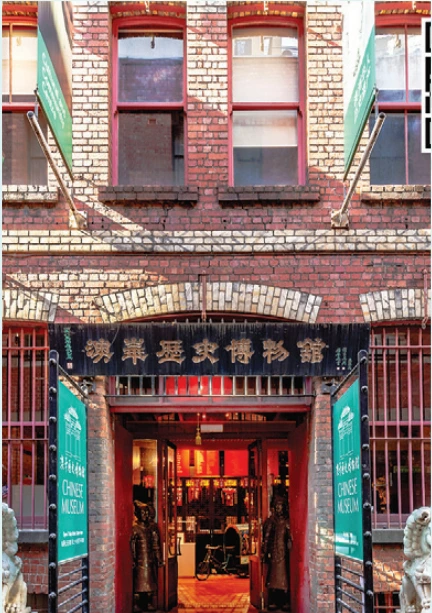
For a closer look at the community’s history, the Museum of Chinese Australian History is located in Cohen Place, just off Little Bourke Street. Its exhibitions explore Chinese migration and the history and culture of Chinese Australians. Check the museum’s official website for current exhibitions, opening information and any visit arrangements before setting out.
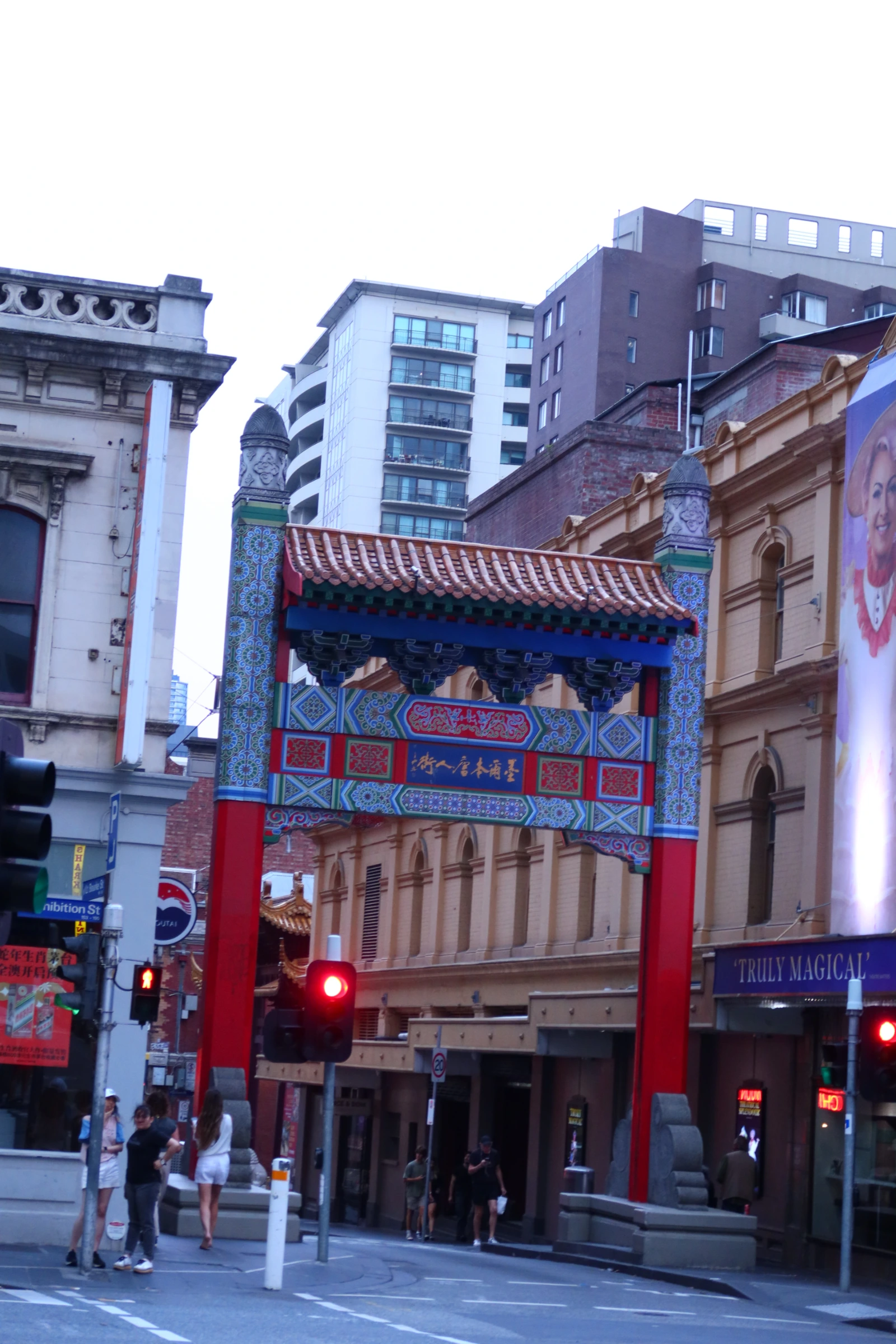
The streets themselves are also part of the story: look for the Chinatown gateways, older shopfronts and the network of lanes and arcades branching off the main strip.
Where to explore
- Little Bourke Street: The main route through Chinatown and a good place to start a self-guided wander.
- Cohen Place: A short side street where you’ll find the Museum of Chinese Australian History.
- Nearby laneways and arcades: Explore the smaller passages for extra dining and a different view of the precinct.
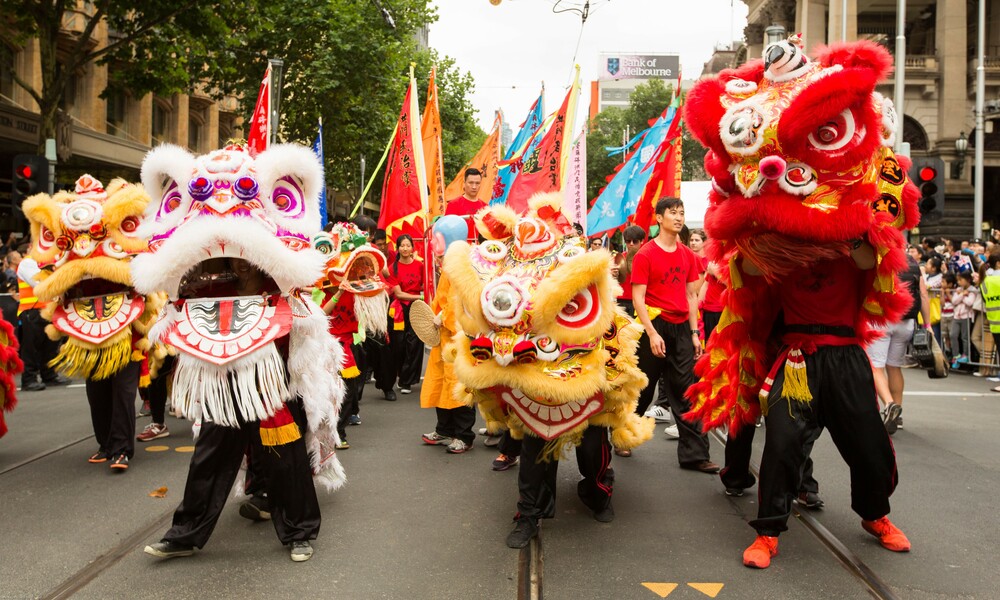
- Seasonal celebrations: Chinatown hosts cultural events and festivals at different times of year. Event dates and programmes vary, so check local listings before planning around one.
Getting there and planning a visit
Chinatown is in Melbourne’s central business district and is readily combined with other city-centre sights. Visitors can walk from nearby CBD streets, or use public transport to reach the surrounding area. Routes and services can change; check current transport information before travelling.
There is no need to set aside a full day just for the precinct. Allow more time if you plan to stop for a meal, explore the lanes or visit the museum. Opening times, bookings and costs vary by venue, so confirm details with the relevant business or attraction.
Tips for your visit
- Take your time: The main street is only part of the precinct; leave room to look into arcades and side lanes.
- Choose your timing: Visit around a meal if you want to try the dining scene, or come after dark to see the lanterns and signs illuminated.
- Check the details: Confirm restaurant hours, museum access and event dates directly before travelling, especially on public holidays.
- Pair it with a CBD walk: Chinatown fits naturally into a wider city-centre stroll; wear comfortable shoes for the lanes and arcades.
Gallery