Travel tips
What to Wear in Melbourne: A Four-Season Guide and a Northern–Southern Hemisphere Primer
Melbourne’s seasons are opposite to those in the Northern Hemisphere, and the weather can shift quickly. Learn what to pack for each season and how to dress in layers.
First, a quick guide to the hemispheres
Melbourne is in Australia’s Southern Hemisphere. Because Earth’s axis is tilted as it orbits the Sun, the two hemispheres receive different angles of sunlight at different times of year. Their seasons are therefore broadly opposite: when it is summer in the Northern Hemisphere, it is winter in the Southern Hemisphere, and vice versa. It is not because Earth is significantly closer to the Sun in one season.
In Melbourne, Australia’s calendar-season convention is:
- Summer: December to February
- Autumn: March to May
- Winter: June to August
- Spring: September to November
That means a December visit is a summer trip in Melbourne, even though it is winter in many Northern Hemisphere destinations.
What to wear in Melbourne, season by season
Melbourne has four distinct seasons, but day-to-day conditions can vary. A practical approach is to check the forecast close to your trip and pack layers that are easy to add or remove.
Summer: December to February
Summer is generally Melbourne’s warmest season, though conditions can vary and cooler changes are possible.
- Pack breathable tops, comfortable walking clothes and a light layer for cooler periods.
- Bring sun protection such as a hat, sunglasses and sunscreen.
- Consider a compact layer for breezy evenings or air-conditioned indoor spaces.
Autumn: March to May
Autumn is a transition from warmer weather towards winter. Mornings and evenings may feel cooler than the middle of the day.
- Choose layers: for example, a long-sleeved top with a cardigan or light jacket.
- Comfortable trousers or jeans and closed-toe walking shoes work well for varied plans.
- A compact umbrella or rain-resistant outer layer can be useful; check the forecast before you go.
Winter: June to August
Winter is the coolest season. For time outdoors, warm layers are more adaptable than relying on one heavy item alone.
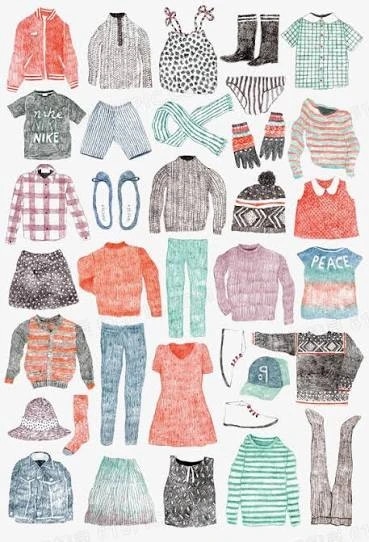
- Pack a warm coat or insulated jacket, plus sweaters or thermal layers.
- Add a scarf and closed, comfortable shoes for colder or wet-feeling days.
- A water-resistant outer layer or umbrella may be handy, depending on the forecast.
Spring: September to November
Spring brings a gradual move towards warmer conditions, but changeable days are possible.
- Wear light layers that you can adjust through the day.
- Pack a light jacket and comfortable shoes for walking.
- Include sun protection and a rain-ready option, especially if you will be outdoors for long periods.
Why layering matters
Melbourne is known for weather that can change quickly. The Bureau of Meteorology describes how warm conditions can give way to a cooler change, wind or rain as weather systems pass through. This is why a flexible outfit can be more useful than dressing for just one temperature.
A simple packing formula is a comfortable base layer + a removable warm layer + an outer layer suited to the forecast. If your plans include long walks or time outside, keep a small umbrella or packable rain jacket within reach.
A final packing checklist
- Check a current forecast shortly before departure and again during your stay.
- Pack clothing for the season, but leave room for temperature changes.
- Choose comfortable walking shoes and bring sun protection.
- Use layers so you can adapt between outdoor conditions and indoor spaces.
These are general packing suggestions, not a day-by-day weather prediction. Conditions can differ from seasonal expectations, so use the forecast for your travel dates to make final choices.