


Travel tips
Great Ocean Road Camping Guide: Campsites, Bookings and a 3-Day Itinerary
Compare coastal and riverside campsites, plan a practical three-day route from Melbourne and check what to bring. Includes booking advice, campfire safety and an alternative for travellers who prefer a private day tour.
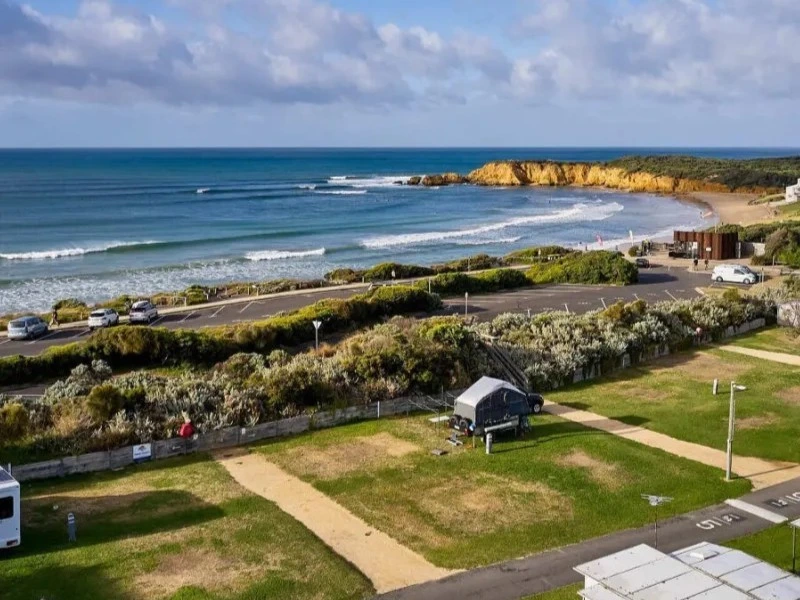
Camping on the Great Ocean Road gives you more time on the coast, but choosing the right site matters: a national park campground may be beautiful and basic, while a holiday park can offer a more comfortable first night under canvas.
This guide compares three camping areas, suggests a three-day route from Melbourne and explains what to check before you book. If you would rather leave the driving to someone else, there is also a private day-tour option.
Choose a campsite that suits your trip
| Campground | Setting and suitability | Check before booking |
|---|---|---|
| Blanket Bay | Coastal bushland near a sheltered bay; unpowered sites | Site dimensions and permitted equipment |
| Aire River West | Open riverside setting; suited to caravans and larger groups | Your vehicle and campsite size |
| Johanna Beach | Behind the dunes with beach access; unpowered sites | Beach conditions and suitable site type |
Blanket Bay is an option if you want a coastal bush setting. Individual sites differ in size, so check the listing for your particular tent or camping setup. Aire River West is a more open campground, while Johanna Beach has sites suitable for tents, camper trailers and caravans. (greatoceanroadauthority.vic.gov.au)
Johanna Beach is exposed to powerful surf and strong currents; swimming can be hazardous. Treat the beach as a place for coastal views and walks rather than assuming it is suitable for a swim. (greatoceanroadauthority.vic.gov.au)
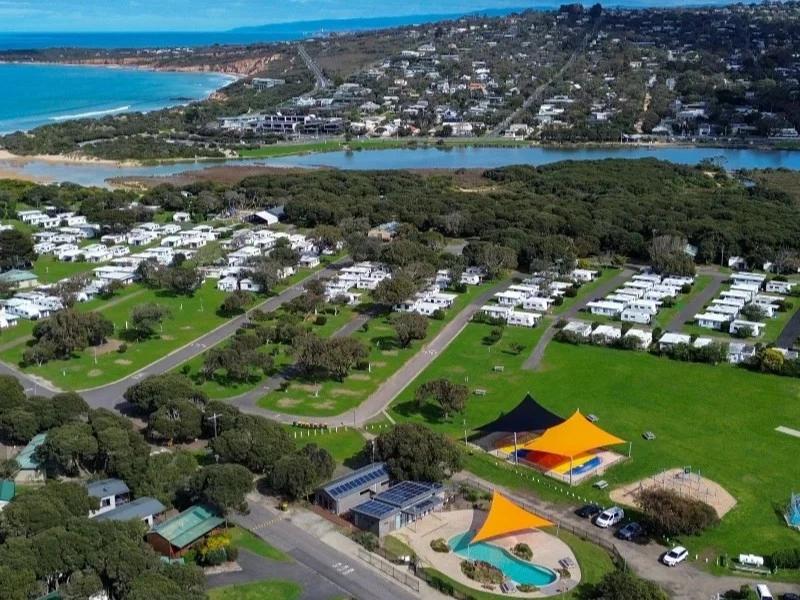
For a first camping trip or a family wanting easier access to amenities, compare a town holiday park with a national park campground. Confirm the facilities offered at the specific park rather than assuming every site has showers, power or a camp kitchen.
Book the right site before you leave
Since 1 July 2026, some Great Ocean Road campgrounds have been managed and booked through the Great Ocean Road Coast and Parks Authority. Its drive-in campground page lists Blanket Bay, Aire River West and Johanna Beach and says bookings are required before arrival. Other campgrounds remain with Parks Victoria, so check the manager of your chosen site. (greatoceanroadauthority.vic.gov.au)
Before paying, check the dates, number of guests, vehicle and equipment permitted, site dimensions, facilities, cancellation terms and any minimum stay. Have an alternative campground in mind. For the 2026–27 summer peak, the authority lists seven-night blocks at Blanket Bay and Johanna Beach from 19 December 2026 to 23 January 2027, followed by a three-night minimum from 23 to 26 January 2027. Check the booking page for the conditions applying to your dates. (greatoceanroadauthority.vic.gov.au)
A suggested three-day camping route
This is an editorial suggestion, not a fixed schedule. Choose one confirmed campsite as your base for both nights if you prefer less packing, or book separate sites if you want to move west.
- Day one: Melbourne to the coast. Travel via the Great Ocean Road, pause around Lorne and Apollo Bay, and arrive at your booked campground with enough daylight to set up. Buy food and drinking water before leaving town.
- Day two: Otways and the coast. Explore around Cape Otway or take a suitable short walk, then return to your campsite or move to your second booked site. Allow time for the drive to and from the campground, not just the attractions.
- Day three: Twelve Apostles and return. Pack up, visit the Twelve Apostles area, then return to Melbourne. Leave room for rest stops and check the visitor-area booking arrangements before departure. Our Twelve Apostles visitor centre guide has more planning details.
If you only have one night, reduce the number of stops and choose a campground that fits your route and arrival time. Camping is more enjoyable when setting up and packing away are part of the plan, not an afterthought.
What to pack and how to camp safely
Bring a suitable tent and pegs, sleeping gear, warm layers, a rain jacket, a torch, food, drinking water and rubbish bags. For an unpowered site, also consider a power bank and a cooking setup appropriate to the campground's rules. Check whether the water provided is drinkable; do not assume a tank supplies treated water.
Download maps and booking details before leaving town, keep enough fuel for your route and allow for winding roads. Carry a first-aid kit, secure food and take rubbish away if suitable bins are not available. Check park alerts and the forecast before departure, and avoid planning a late arrival at an unfamiliar campsite.
Campfires depend on both campground rules and fire restrictions. On a Total Fire Ban day, campfires are not allowed; gas or electric cooking equipment may only be used if applicable conditions are met. Check the CFA campfire guidance and your campground's rules before cooking. (cfa.vic.gov.au)
Prefer a private charter instead of camping?
If your priority is seeing the coast without organising a campsite or driving, consider the iYue Travel Great Ocean Road and Twelve Apostles day tour, which offers a private charter option from Melbourne. It is a same-day return tour, not an overnight camping package; check the current itinerary, inclusions and availability before booking. (iyuetravel.com.au)
If you want both a charter and an overnight stay, ask about your proposed dates, luggage and camping equipment before making any campsite booking. Do not assume that camping or equipment is included in the day tour.
Frequently asked questions
Can I camp anywhere along the Great Ocean Road?
Do not assume a beach, lookout or roadside stop permits overnight camping. Choose a site where camping is authorised and check the local manager's rules and booking conditions.
Is a free campsite always first come, first served?
No. A free site is not necessarily available without a booking. Check the individual campground's current price, reservation requirements and permitted stay before setting out.
Can I take a caravan or camper trailer?
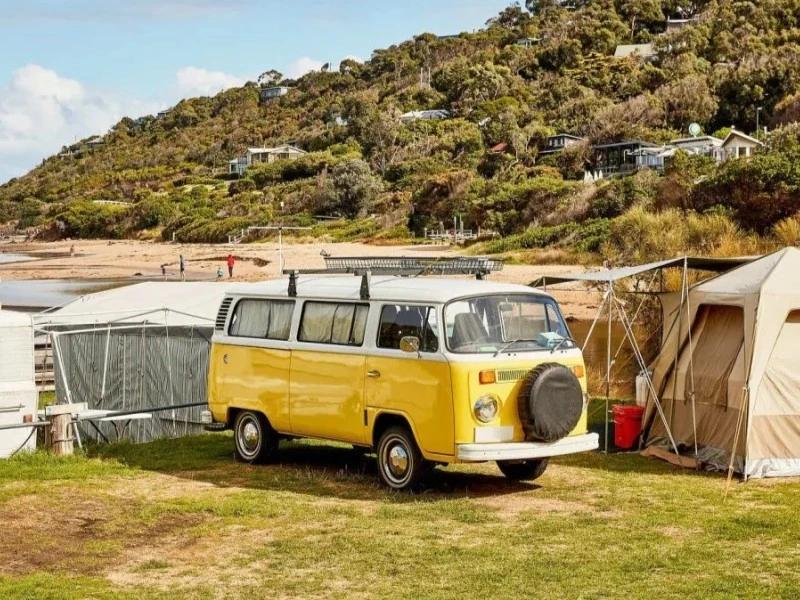
Some sites can accommodate them: Johanna Beach lists sites suitable for camper trailers and caravans, and Aire River West is suited to caravans. Suitability can still vary by individual site, so check dimensions, access and vehicle conditions when booking. (greatoceanroadauthority.vic.gov.au)
Are Great Ocean Walk campsites the same as drive-in campsites?
No. The Great Ocean Walk has designated hike-in campsites, which are separate from drive-in camping arrangements. The authority requires a valid booking for its hike-in sites; plan each walking stage and overnight stop using its Great Ocean Walk guide. (greatoceanroadauthority.vic.gov.au)